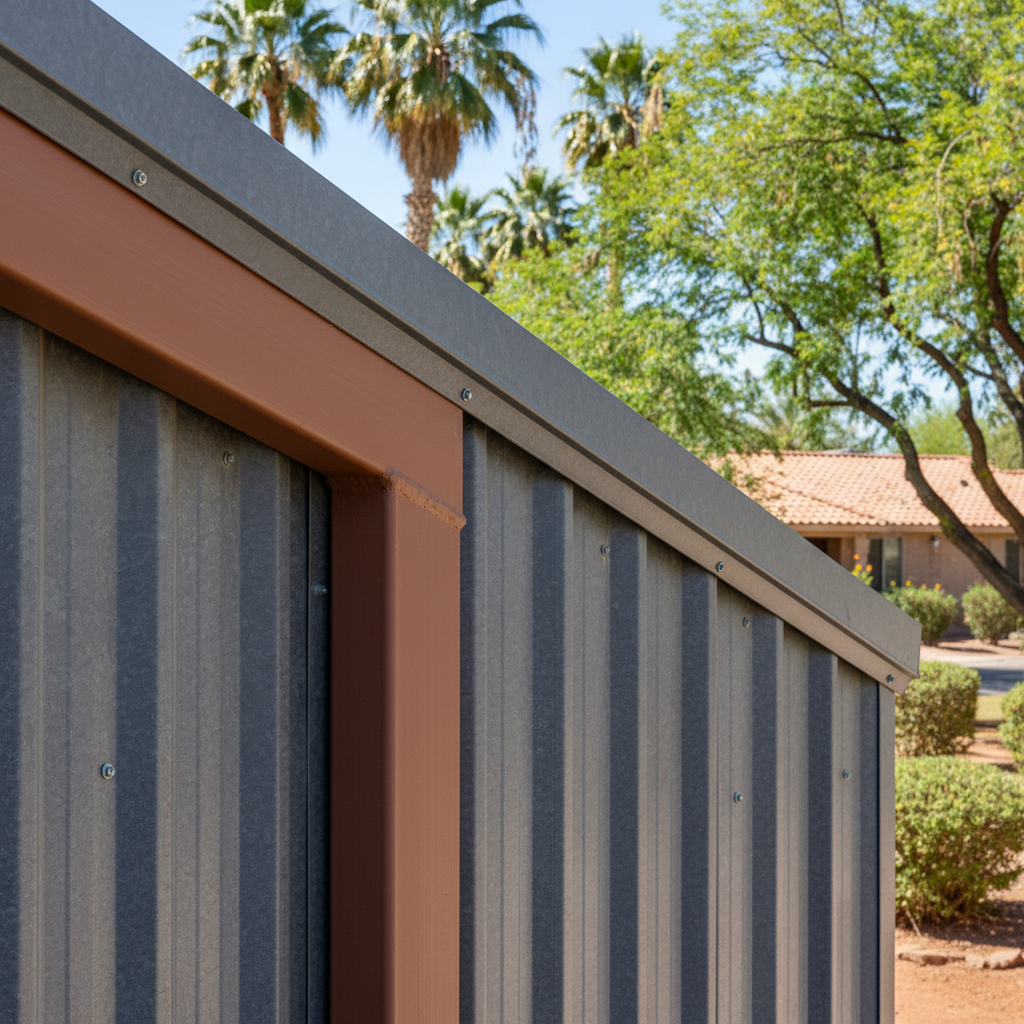
So, you're looking at putting up a metal building in your backyard or on your property here in Glendale. Good choice. These things are tough, last forever, and can be super versatile – a workshop, extra storage, a home for your classic car, you name it. But before you start ordering panels, let's break down what you really need to know about getting one installed. I've seen a lot of these projects, and trust me, knowing what you're getting into upfront saves a ton of headaches and money.
Before You Even Think About a Wrench
First things first, you gotta do your homework. This isn't just about picking a building you like. You need to know what the city of Glendale allows. Zoning laws, setbacks from property lines, building codes – these are non-negotiable. You don't want to put up a whole structure only to find out you have to tear it down because it's too close to your neighbor's fence or it doesn't meet height restrictions. Go down to the planning department, talk to them. They're there to help, even if it sometimes feels like they're just making things complicated.
Then there's the foundation. This is huge. You can't just plop a metal building on uneven dirt. You need a solid, level base. For most smaller metal buildings, a concrete slab is the way to go. This isn't a DIY job for most homeowners, unless you've got serious concrete experience. Pouring a slab correctly involves proper grading, rebar, vapor barriers, and getting the mix right. If it's not done perfectly, you'll have problems down the road – cracking, settling, doors not lining up. This is usually where you call in a concrete contractor. Don't skimp here; it's literally the foundation of your entire project.
Permits. Oh yeah, you'll need 'em. For pretty much any permanent structure, even a shed over a certain size. The city will want to see plans, and they'll inspect the work. Trying to skip permits is a recipe for disaster. Fines, forced demolition – it's not worth the risk. Get the permits, follow the rules.
During the Build: What Can You Handle?
Alright, so you've got your permits, your foundation is solid, and your building kit has arrived. Now the fun begins. Here's where you decide how much sweat equity you're putting in.
- Unloading and Organizing: This you can definitely do yourself, with some help. Those panels are heavy, and there will be a lot of parts. Get a few buddies, rent a forklift if you need it for bigger pieces, and organize everything. Makes the assembly process way smoother.
- Framing Assembly: Many metal building kits are designed to bolt together. The main frame, the rafters, the purlins – this is often something a handy homeowner with a good set of tools and a few strong friends can tackle. You'll need ladders, impact drivers, wrenches, and a good level. Follow the instructions precisely. Measure twice, cut (or bolt) once.
- Sheeting and Roofing: This is where it gets a bit trickier, especially with the roof. Getting the panels aligned, screwed down tight, and sealed properly to prevent leaks is critical. On a smaller, single-story building, you might be able to manage this with careful planning and safety gear. For larger structures, or anything with a steep pitch, you're probably better off with experienced installers. Working at heights is dangerous, and a leaky roof is a nightmare.
- Doors and Windows: Installing walk-in doors and windows is usually pretty straightforward, similar to installing them in a stick-built house. Roll-up or overhead doors, though? Those can be complex, involving springs and tracks that need precise calibration. I'd recommend having a pro handle those, especially the spring tensioning – it can be dangerous if you don't know what you're doing.
One thing I've seen a lot here in Glendale, especially with our intense summer heat and monsoon storms, is people underestimating the importance of proper sealing and insulation. If you're going to be spending any time in that building, you'll want it insulated. That's another area where getting it right the first time pays off big.
After It's Up: Finishing Touches and Maintenance
So your building is standing tall. Congrats! Now what? If you're planning on running electricity, plumbing, or HVAC, those are definitely jobs for licensed professionals. Don't mess around with electrical wiring or gas lines unless you're certified. It's a safety issue and can void your insurance.
Maintenance for a metal building is pretty minimal, which is one of their big selling points. Keep the gutters clean, if you have them. Check for any loose fasteners after a big windstorm – we get some strong gusts here, especially in the flat areas like the Westgate district. A quick visual inspection once a year is usually all it takes. If you notice any rust or damage, address it quickly to prevent it from spreading.
Look, putting up a metal building can be a really rewarding project. You can save some cash by doing parts of it yourself, but know your limits. For the big stuff – the foundation, complex roofing, overhead doors, and anything involving utilities – don't hesitate to call in the pros. That's what we're here for. At Glendale Metal Buildings, we've helped plenty of folks get their perfect structure, whether they're doing a full DIY or need us to handle the heavy lifting. Just make sure you're safe, smart, and you'll have a great building that lasts for decades.